For the life you want...and the world we all need

Trans Inclusion in Practice -
A Guide
A brief and simple guide for event organisers, small businesses, voluntary organisations and everyday allies, created in response to the EHRC Code of Practice which came into force on 5th August 2026
This resource can help you
Stop guessing, start acting — know exactly what changed in the law and what it actually means for your organisation, without wading through legal jargon yourself.
Protect your organisation and your people — practical, EHRC-aligned guidance that helps you avoid accidental missteps while staying genuinely welcoming.
Give your team confidence, not scripts — brief staff and volunteers so they can respond naturally in the moment, instead of freezing or improvising.
Make small, real changes that count — from signage to form design, get concrete steps you can implement this week, not someday.
Lead with kindness, backed by clarity — feel secure in your approach, knowing it's grounded in current guidance rather than outdated assumptions or guesswork.
Trans Inclusion in Practice - A Guide
FREE DOWNLOAD
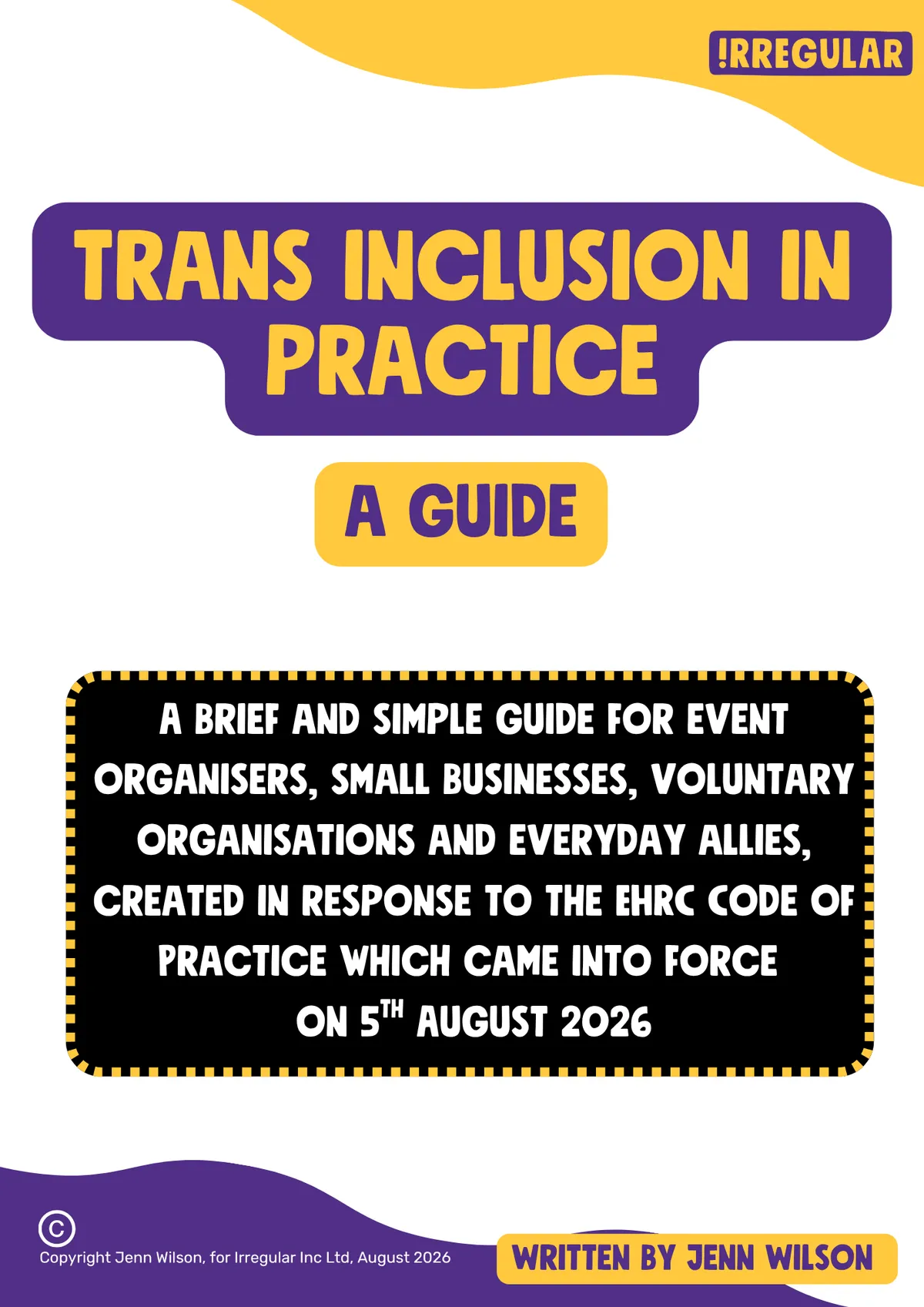
This free pdf guide exists to help you be trans-inclusive in practice, without landing yourself in legal* difficulty by accident.
This is general, practical guidance, not legal advice*.
It's also for anyone who wants to be a stronger ally to trans and non-binary people in the UK right now.
This free guide covers:
what's actually changed in the law and why it matters
practical guidance on facilities and signage
how to brief staff and volunteers so they can respond with confidence instead of improvising
welcoming language for forms and communications
specific sections for different uses: event organisers, small businesses or voluntary organisations, and individual citiens who want to strengthen their day to day allyship.
More Resources for Trans Allyship and Gender Inclusion
"This isn't written as a comprehensive guide to trans inclusion — it's a swift, practical response to a legal picture that's still moving. I wanted you to have something solid to work from right now, rather than waiting years for case law to catch up. Whatever you do in support of the trans and non-binary community matters. Small acts of solidarity have never mattered more." — Jenn Wilson
Hi, I am Jenn Wilson (they/them) - founder of Irregular and the International Day of Consent.

Want more support with your gender inclusion and trans allyship?
Book an allyship hour 1-2-1 or enquire about my gender inclusion training
>>🔗 Click HERE <<<
Despite years of work on trans and LGBTQIA+ inclusion, I don't believe anyone — including me — can honestly claim to have this fully figured out. I don't know anyone who can guarantee a space is truly "safe," only that we can keep working towards "safer."
As someone who's queer and neurodivergent myself, I've spent a lot of my life navigating spaces that weren't built with me in mind. I know that inclusion doesn't come from getting every word perfectly right — it comes from people who actually show up, keep learning, and adapt as they go.
This guide isn't a finished, polished answer. It's a practical starting point, written in the middle of a legal picture that's still moving, so you've got something solid to work from right now instead of waiting for perfect clarity that may be years away.
I don't expect you to get everything right either. I just hope you'll take the small, imperfect steps anyway — because they matter more than people think.
I draw on my lived experience and my consent-led approach to help people move from uncertainty to action, without shame, without lectures, and without waiting to be perfect first.
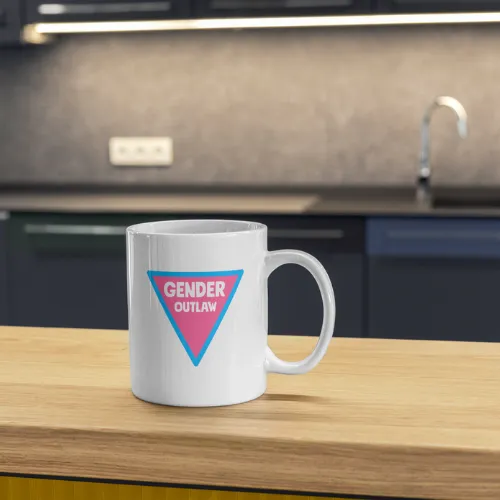
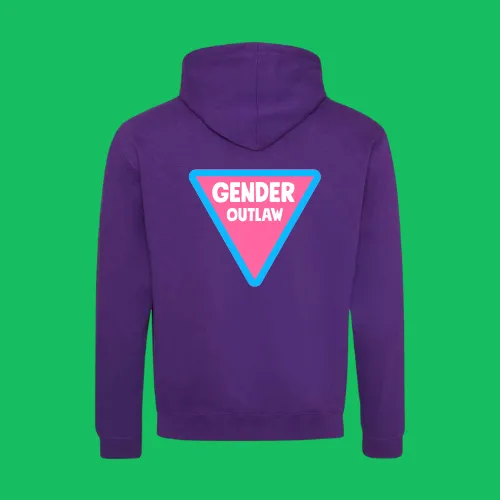
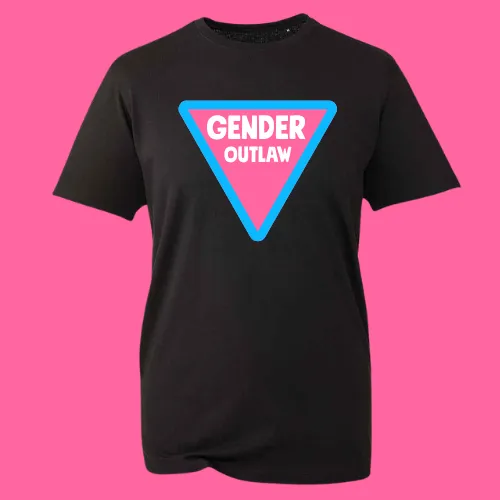
Grab yourself some Gender Outlaw merchandise
and support UK trans charities

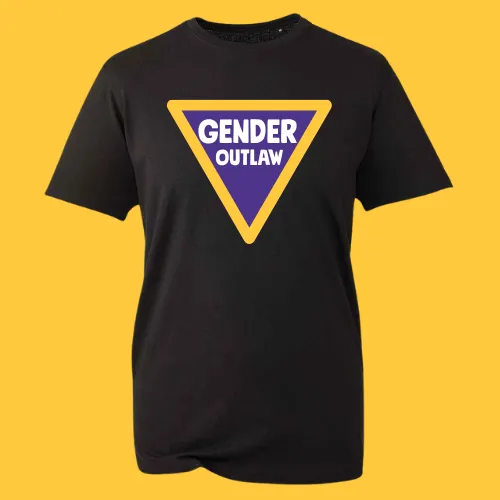
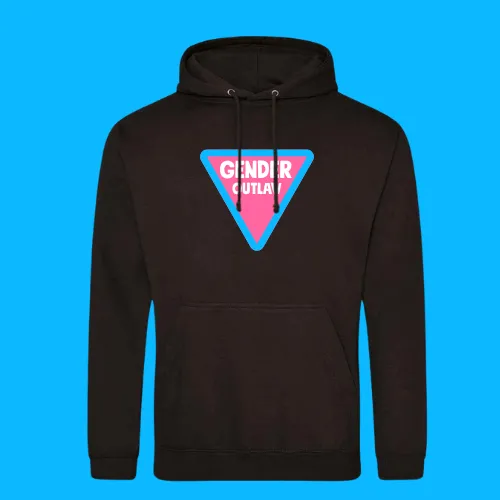
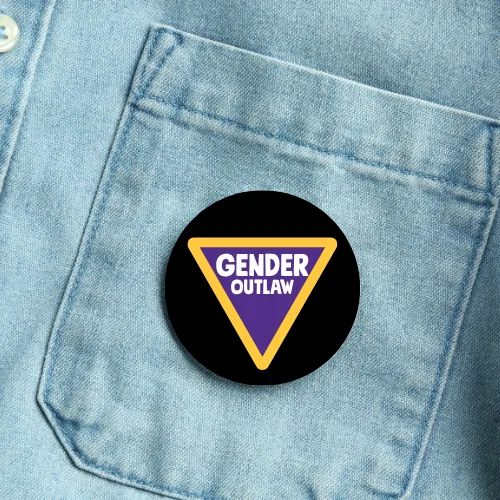

Irregular Inc will donate 50% of profit from purchases of all Gender Outlaw logo items to UK charities and campaigns that support trans rights.
Your money will go to The Good Law Project's fighting fund for trans inclusive legal cases - Details 🔗HERE
The remaining income supports my voluntary GENDER OUTLAW project and information resource 🔗HERE
Relentless Kindness
Playful Curiosity
Radical Consent
Be More Irregular

For a life you love...and the world we all need
Copyright 2026 Irregular Inc